



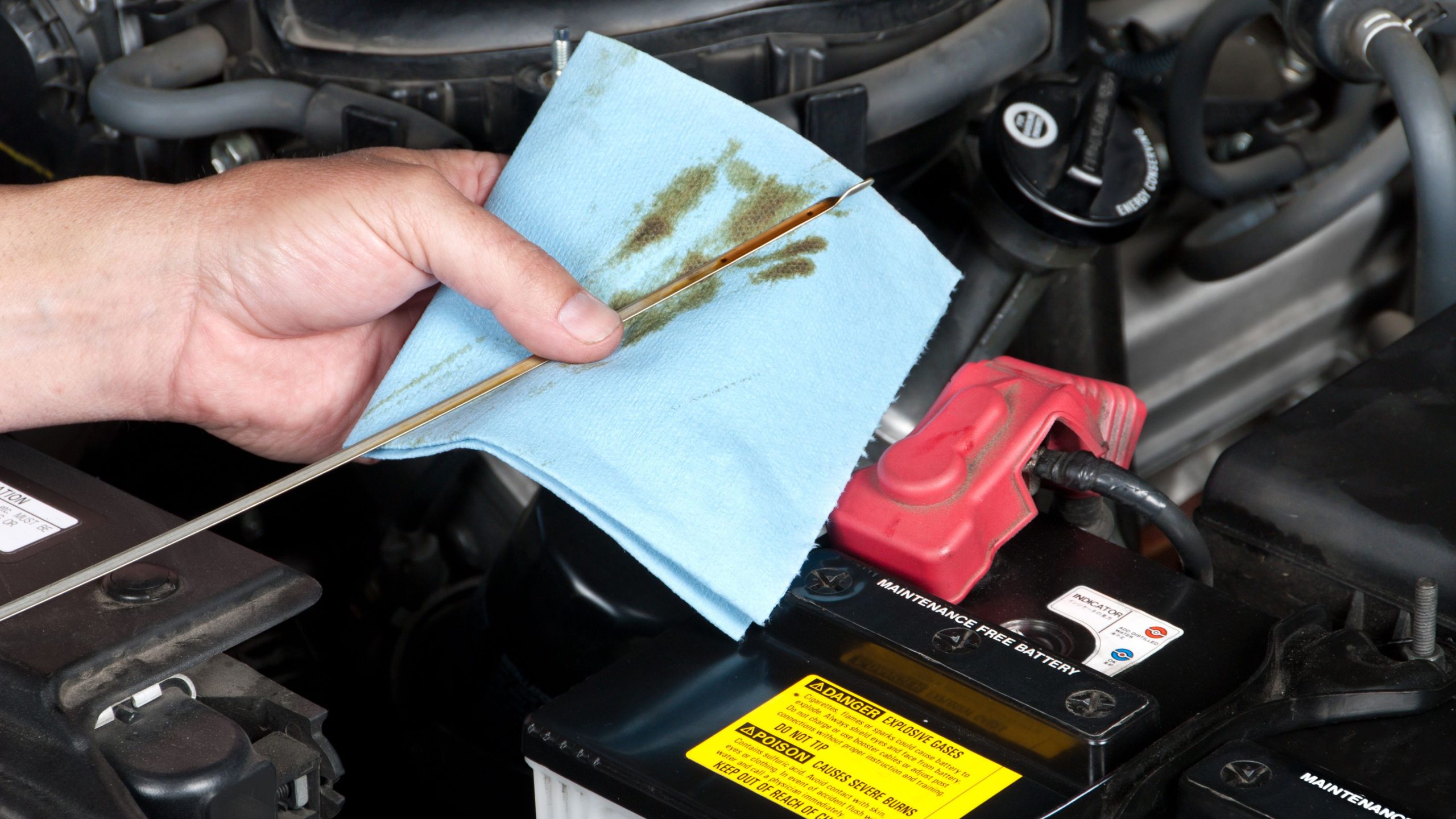
Oil changes are one of the most basic yet essential parts of car ownership. However, many drivers overspend on them or cut corners in ways that can quietly damage their engines over time. The good news is that saving money on oil changes doesn’t mean risking your vehicle’s health. With the right knowledge and habits, you can reduce costs while keeping your car running smoothly for years.
Why Oil Changes Matter More Than You Think
Engine oil does far more than lubricate moving parts. It helps regulate engine temperature, reduces friction, prevents corrosion, and traps contaminants. Skipping oil changes or using poor-quality oil can lead to sludge buildup, reduced fuel efficiency, and eventually costly engine repairs. Saving money should never come at the expense of proper maintenance.
Follow Your Vehicle’s Actual Oil Change Schedule
One of the most common mistakes drivers make is relying on outdated rules, like changing oil every 3,000 miles. Modern engines and improved oil formulations often allow for longer intervals. Always check your vehicle owner’s manual or manufacturer recommendations.
By following the correct schedule—not too early and not too late—you avoid unnecessary oil changes while still protecting your engine. This simple step alone can significantly reduce yearly maintenance costs.
Choose the Right Oil for Your Engine
Using the wrong oil can lead to poor performance and long-term damage. Synthetic oil usually costs more upfront but often lasts longer and provides better protection, especially in extreme temperatures. Conventional oil may be cheaper, but it typically requires more frequent changes.
Instead of automatically choosing the least expensive option, select the oil type that best suits your driving habits and engine design. In the long run, the right oil can save you money by extending engine life and improving fuel efficiency.
Avoid Upsells You Don’t Actually Need
Many drivers feel pressured into additional services during oil changes. While some add-ons are useful, others may be unnecessary at the time. Services like engine flushes or fuel additives should be done only when recommended by the manufacturer or a trusted professional.
A reliable auto mechanic shop will explain why a service is needed rather than pushing it aggressively. Learning to ask questions and understand recommendations can prevent you from paying for extras that don’t provide real value.
DIY Oil Changes: Worth It or Not?
Changing your own oil can save money if you have the tools, space, and time. However, mistakes such as overfilling oil, improper disposal, or using the wrong filter can lead to bigger issues. For many drivers, the small savings may not justify the risk or effort.
If you’re not confident, it’s often more cost-effective to rely on a professional who can complete the job quickly and correctly, while also inspecting your vehicle for early warning signs of other issues.
Build a Relationship with a Trusted Mechanic
Consistency matters. Visiting the same auto mechanic shop over time helps technicians understand your vehicle’s history. This often leads to more accurate recommendations, early detection of problems, and fewer unnecessary services.
Trusted mechanics are also more likely to suggest cost-effective solutions instead of one-size-fits-all maintenance plans. That relationship can save you far more money than chasing the cheapest oil change deal.
Take Advantage of Maintenance Packages and Timing
Some shops offer bundled services or loyalty programs that reduce the overall cost of routine maintenance. Additionally, scheduling oil changes during slower seasons or promotional periods can lead to meaningful savings.
Planning ahead rather than waiting for a dashboard warning light allows you to compare options and avoid rushed, expensive decisions.
Saving Money Without Sacrificing Reliability
The key to affordable oil changes is balance—not neglect and not overdoing it. By following manufacturer guidelines, choosing the correct oil, avoiding unnecessary upsells, and working with a trustworthy auto mechanic shop, you can protect your engine while keeping maintenance costs under control.
Smart decisions today prevent expensive repairs tomorrow, making oil changes one of the easiest ways to save money without messing up your car.
